Stanford University

News

The Cantor is in the news! Catch up on recent media coverage about the Cantor and our exhibitions and programs.

Press Contact

For programs and tours associated with our exhibitions, please check our Programs page.

Email the Cantor Press Office
A woman admiring her artwork

Stanford University acquires Filipina American artist Pacita Abad’s archive

In Pacita Abad’s lifetime, the Filipina American artist made over 5,000 works—influenced by her travels in more than 60 countries—and exhibited in more than 250 shows, largely in Asia and Africa. But it was her posthumous travelling retrospective—which opened in 2023 at the Walker Art Center in Minneapolis, almost two decades after her death in 2004 at age 58—that brought Abad’s exuberant, multifaceted, 32-year art practice to the attention of US institutions. 

Now Stanford University has acquired the artist’s archives, a gift of the Pacita Abad Art Estate, which has also provided funding to...

Stanford: “Miljohn Ruperto: Animal, Vegetable, nor Mineral”

Miljohn Ruperto
Animal, Vegetable, nor Mineral
Cantor Arts Center, Stanford
Mar 12–Sep 14, 2026

In Miljohn Ruperto’s Mineral Monsters (2014), animated minerals shimmer and shift as you move your head—caught in a perpetual vibration produced by parallax, the optical effect that makes an object appear to jump between your eyes. Look with one eye, and the segment settles. Look with both, and it lives in motion. “There are no mineral monsters,” according to philosopher Georges Canguilhem, who argued that monstrousness is constructed through our own definitions of normality and our tendency to...
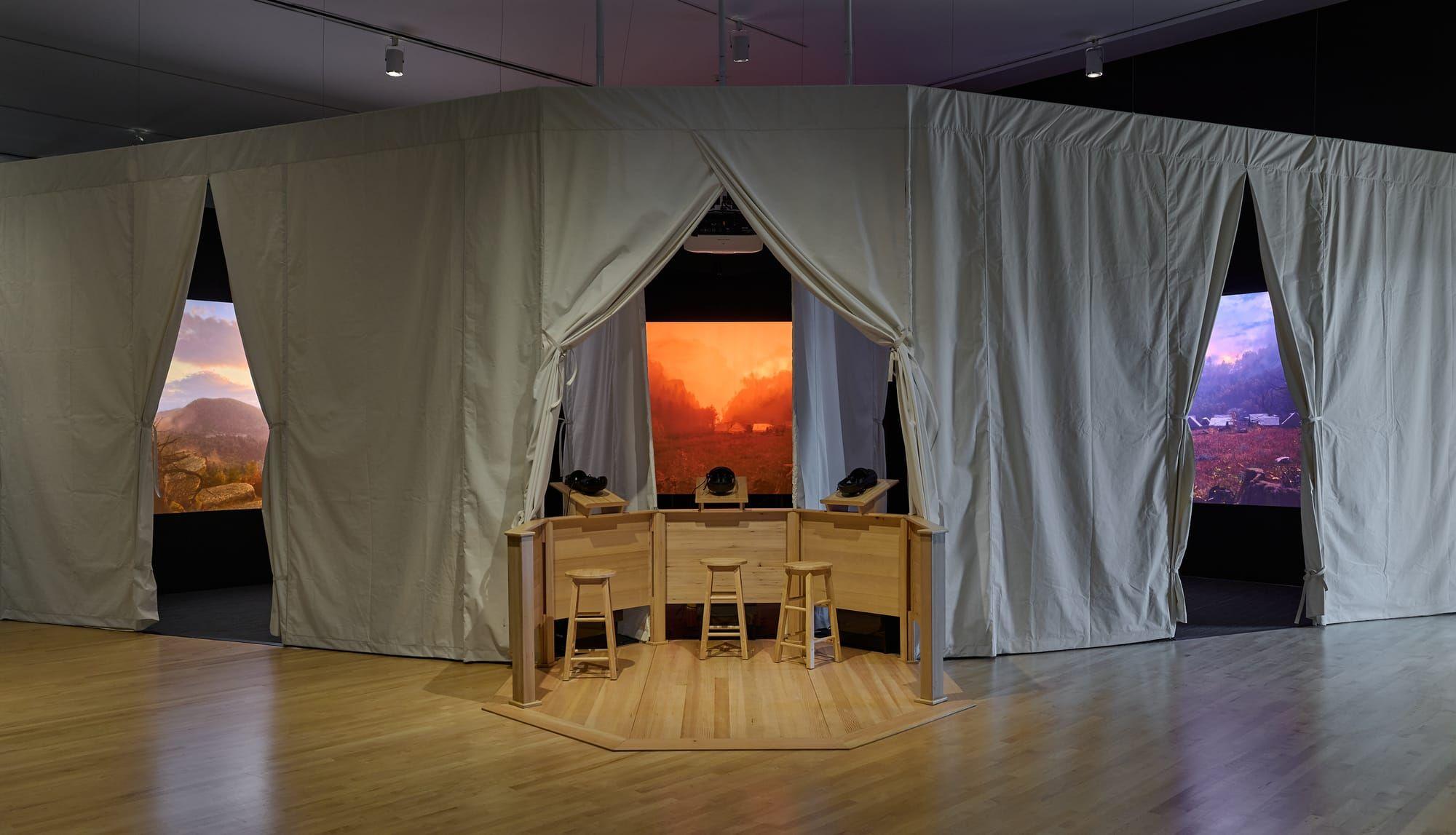
Panoramic view of a dimly lit installation featuring a large canvas tent with three openings. The polished wooden floor reflects the space. Each opening contains a screen displaying a moody, ominous landscape. In the center opening, a semicircular bar with three stools holds three VR headsets.

Neither animal, vegetable nor mineral — but what?

Miljohn Ruperto’s exhibit at the Cantor Museum until Sept. 14, “Animal, Vegetable, Nor Mineral” is none of those, or all of those — or I know not what to call it.

This is a real mixed bag. Items that fool the eye and make you think harder about how we represent and contemplate the world.

There are some ceramic sculptures, some paintings, videos, generative AI screens and virtual reality exhibits. Many were created by Ruperto collaborating with other artists and specialists; he highlights those collaborations in his explanatory comments.

There’s a wall of shimmering digital panels depicting...
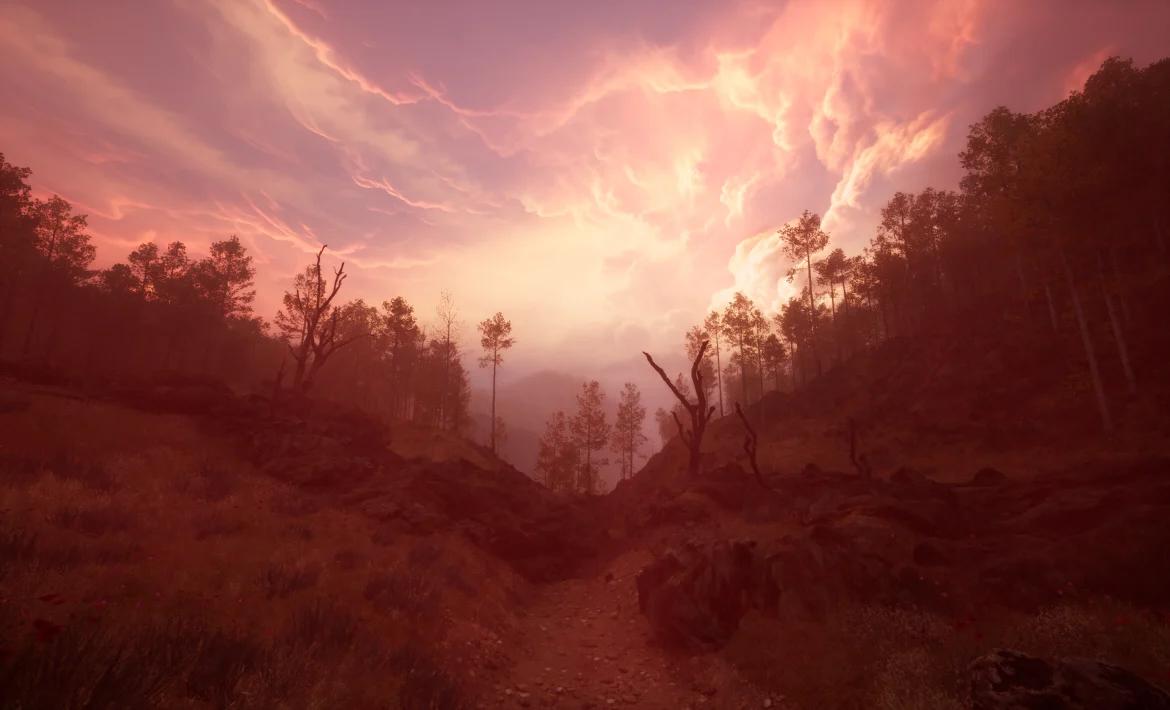
A moody, reddish landscape with a rocky path winding through sparse trees beneath a dramatic sky streaked with glowing pink and orange clouds.
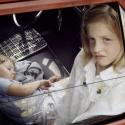
An image of a girl and a baby inside a red car

Artists’ Day Jobs Come Into Focus at a Stanford University Exhibition

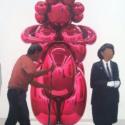
an image of a gallery depicting a sculpture and a security guard and cleaning person

Day Jobs at Stanford

A collage of people in shades of brown

Artist day jobs examined in exhibition

An image of a hair brush sitting on a cushion

The Year in Multi-Hyphenates: Museums Embraced Artists Who Wear Many Hats in 2023

An image of a black man preparing to take a picture on the street

Visiting artist collaboration explores San Francisco’s Black churches

A Cantor in-gallery view of a recent art acquisition related to the Asian American Art Initiative

More than 100 new works of Asian American art acquired by Stanford’s Cantor Arts Center

An image of the Cantor outdoor, by the Rodin garden

Discover the Best Museums Near Palo Alto: Journey into Art, Science, and History

A woman in a kitchen facing away from the viewer

Reality Makes Them Dream: American photography from 1929 to 1941 – in pictures

Marion Post Wolcott (American, 1910–1990), Center of town. Woodstock, Vermont. “Snowy Night”, 1940. Selenium-tinted gelatin silver print. Cantor Arts Center, Stanford University. Gift of Michael and Sheila Wolcott, 2000.135

Photography exhibition shows there was much more to life in the 1930s than the Great Depression
