Stanford University

News

The Cantor is in the news! Catch up on recent media coverage about the Cantor and our exhibitions and programs.

Press Contact

For programs and tours associated with our exhibitions, please check our Programs page.

Email the Cantor Press Office
A woman admiring her artwork

Stanford University acquires Filipina American artist Pacita Abad’s archive

In Pacita Abad’s lifetime, the Filipina American artist made over 5,000 works—influenced by her travels in more than 60 countries—and exhibited in more than 250 shows, largely in Asia and Africa. But it was her posthumous travelling retrospective—which opened in 2023 at the Walker Art Center in Minneapolis, almost two decades after her death in 2004 at age 58—that brought Abad’s exuberant, multifaceted, 32-year art practice to the attention of US institutions. 

Now Stanford University has acquired the artist’s archives, a gift of the Pacita Abad Art Estate, which has also provided funding to...

Stanford: “Miljohn Ruperto: Animal, Vegetable, nor Mineral”

Miljohn Ruperto
Animal, Vegetable, nor Mineral
Cantor Arts Center, Stanford
Mar 12–Sep 14, 2026

In Miljohn Ruperto’s Mineral Monsters (2014), animated minerals shimmer and shift as you move your head—caught in a perpetual vibration produced by parallax, the optical effect that makes an object appear to jump between your eyes. Look with one eye, and the segment settles. Look with both, and it lives in motion. “There are no mineral monsters,” according to philosopher Georges Canguilhem, who argued that monstrousness is constructed through our own definitions of normality and our tendency to...
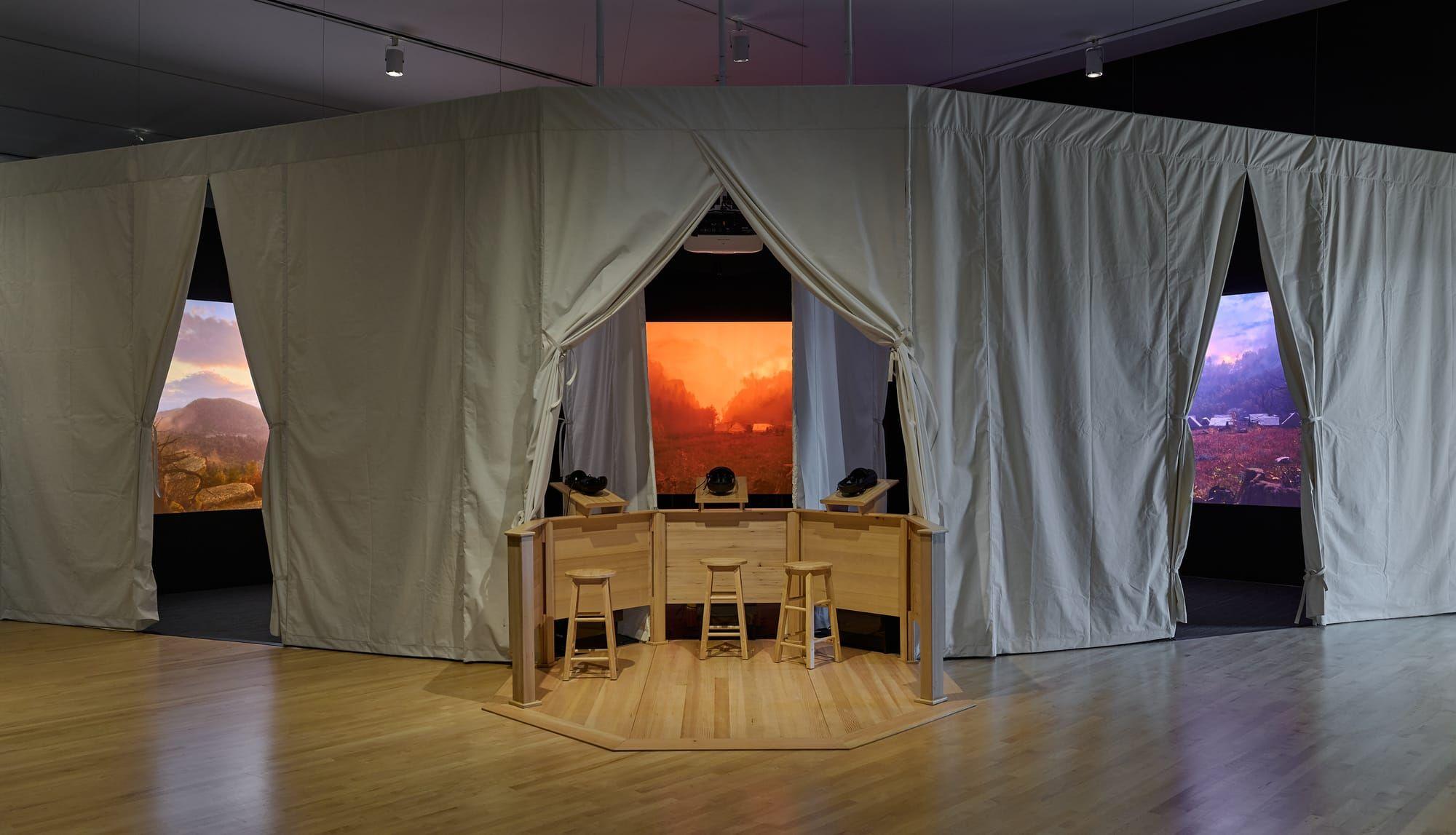
Panoramic view of a dimly lit installation featuring a large canvas tent with three openings. The polished wooden floor reflects the space. Each opening contains a screen displaying a moody, ominous landscape. In the center opening, a semicircular bar with three stools holds three VR headsets.

Neither animal, vegetable nor mineral — but what?

Miljohn Ruperto’s exhibit at the Cantor Museum until Sept. 14, “Animal, Vegetable, Nor Mineral” is none of those, or all of those — or I know not what to call it.

This is a real mixed bag. Items that fool the eye and make you think harder about how we represent and contemplate the world.

There are some ceramic sculptures, some paintings, videos, generative AI screens and virtual reality exhibits. Many were created by Ruperto collaborating with other artists and specialists; he highlights those collaborations in his explanatory comments.

There’s a wall of shimmering digital panels depicting...
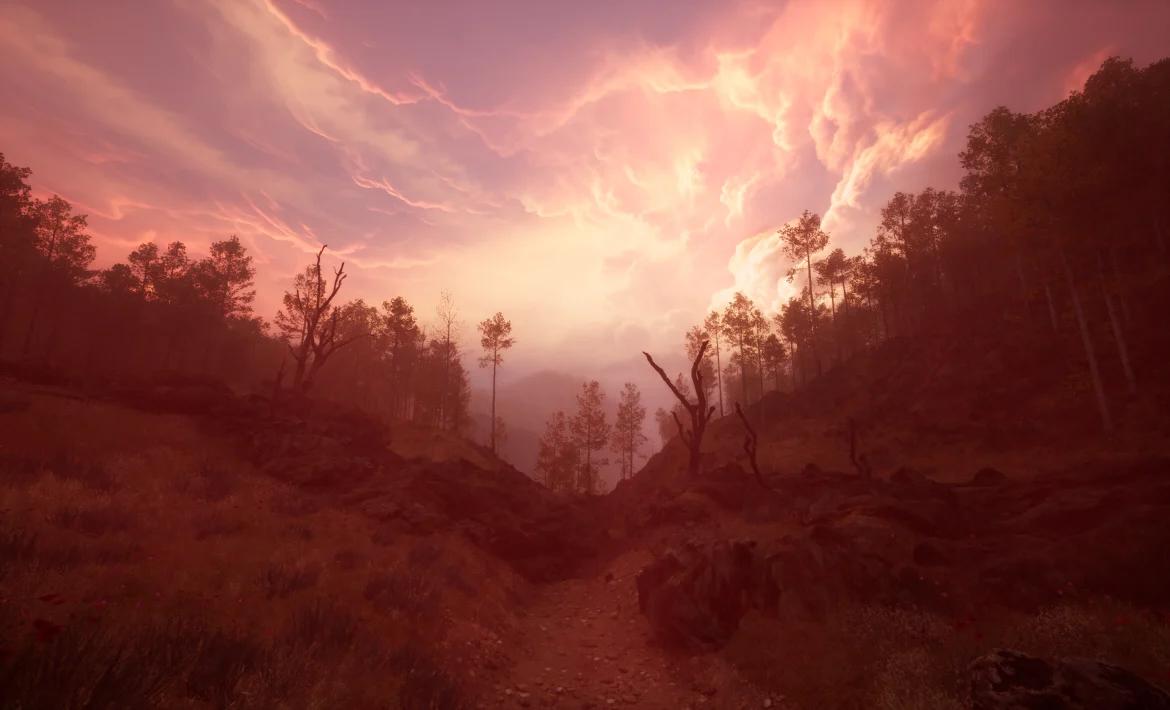
A moody, reddish landscape with a rocky path winding through sparse trees beneath a dramatic sky streaked with glowing pink and orange clouds.
An image of a street in the 1930s

Reality Makes Them Dream: Recontextualizing 1930s Photography

de Young Museum. Photo courtesy of FAMSF.

How Will Technology Shape the Museum of Tomorrow? 20 Museum Directors Will Convene in the Bay Area to Explore Digital Horizons

Three women on the stage during a symposium

IMU UR2: Asian American Art, Intersectionality, and Collective Memory

Asawa Masks

Ruth Asawa, Without End

Patty Chang, Que Sera Sera/Invocations, 2013–14, two-channel video. Courtesy the artist

The Ramifications of Oppression in the Asian American Community

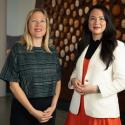
two women standing in an art gallery

This Bay Area museum director kicked off a troubled institution’s renaissance. Here are her plans for 2023

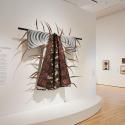
A gallery view of East of The Pacific exhibition at the Cantor

The Initiative Preserving the Past and Securing the Future of Asian American Art

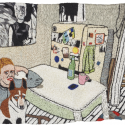
An embroidered piece depicting a person with a dog sitting in a kitchen

Textile portraits bring visibility to queer and trans communities

A portrait of an asian american man wearing a hat and suit

Complete Martin Wong Catalogue Goes Online

a wall covered in masks made of clay

When Asian-American Artists Are Unburdened by Identity
